What makes low cortisol aim work in Valorant and how do you build it?
Need articles like this for your video? They help promote it on YouTube and Google — order them in the Telegram bot @sat_sit_bot. It writes articles around your video, embeds the video and publishes them on popular niche websites (no ads). Your first 50 articles are free.
· based on the channel Rawzu
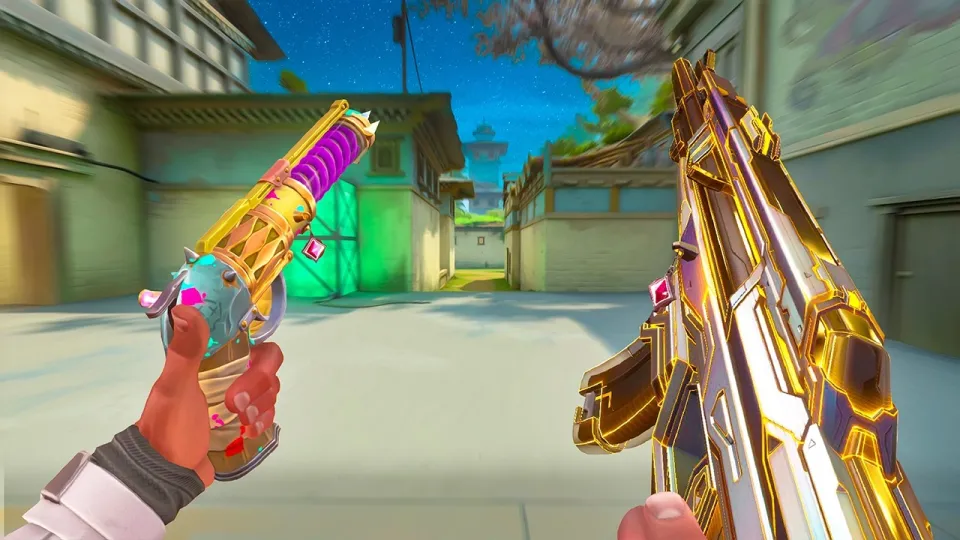
Low cortisol aim in Valorant is a calm, low-stress aiming style where you keep your hand relaxed, pre-place your crosshair and let the shot come to you instead of forcing flicks under pressure. The term comes from the Rawzu video "low cortisol aim..", a Phoenix-focused montage of steady, unhurried aim clips, and it describes the opposite of adrenaline-driven overflicking. If you want the same stable frame times that make that style possible, the creator points viewers to PC optimization for Valorant.
What does low cortisol aim actually mean in Valorant?
Low cortisol aim means aiming with as little physical and mental tension as possible, so your crosshair moves in straight lines and your clicks land on the first attempt. In practice it is less a secret technique and more a set of habits: a grip that does not strangle the mouse, a sens low enough to keep micro-adjustments controllable, and a decision-making pattern that avoids desperate swings.
The phrase is a joke with a real point. High-stress aim shows up as overshooting, jittery tracking and panic spraying; low-stress aim shows up as clean one-taps, patient holding of angles and calm re-peeks. Rawzu's clips lean on the second category, which is why the comments praise the movement as much as the aim — the shots look easy because the positioning does most of the work.
Rawzu's Valorant settings and gear behind the calm aim
The exact numbers matter because low cortisol aim is easier to reproduce when you copy a stable baseline and then adjust. Rawzu's listed setup is a deliberately low-sensitivity, high-refresh configuration:
- Sensitivity: 400 DPI with 0.625 in-game sensitivity, which works out to roughly 250 eDPI.
- Resolution: 1440x1080, a stretched 4:3-style aspect that widens player models.
- Crosshair: 1-6-2-2, a small, tight static crosshair.
- Mouse: Logitech G Pro X Superlight 2.
- Mousepad: Artisan Zero Soft, a control-leaning cloth pad.
- Monitor: Zowie XL2566K at 360Hz.
A ~250 eDPI range forces arm movement for big turns and keeps wrist flicks small, which is exactly the profile that produces steady, repeatable aim. The Artisan Zero Soft adds stopping power, so a relaxed swipe still ends where you want it. The 360Hz panel reduces the visual delay between your hand and the screen, which makes calm micro-corrections feel more trustworthy.
Why Phoenix fits a low-stress aim style
Phoenix is an offensive duelist built for hunting enemies while crippling their ability to shoot back, and that kit supports calm aim better than it first appears. Curveball blinds enemies even when they are tucked behind corners, so you often enter a fight with the opponent already unable to see you. Blaze creates a wall that blocks vision and deals damage, letting you cross open ground that would otherwise be a coin-flip. Hot Hands and the Run it Back ultimate make him durable, so a missed shot is not automatically a lost round.
The result is fewer forced duels. When your flash does the work and your wall covers the crossing, your crosshair only has to be in the right place at the right time. Players who like aggressive entries will enjoy the agent, but the calm version of Phoenix play is about sequencing abilities so the aim duel is already tilted in your favor.
How to train low cortisol aim step by step
Building a relaxed aim style is a routine, not a talent. A workable weekly structure looks like this:
- Fix your baseline: pick a sensitivity near the 250 eDPI mark, note your DPI and in-game value, and do not change them for at least two weeks.
- Warm up without stakes: 10 minutes of static one-taps in the range, then 10 minutes of tracking, keeping your grip loose enough that your fingers are not white.
- Practice crosshair placement, not flicks: walk common angles in Deathmatch and stop your crosshair at head height before you peek, so the shot requires a small correction rather than a big swipe.
- Breathe on purpose: exhale as you commit to a duel, which lowers tension in the hand and reduces overshoot.
- Review deaths, not highlights: check whether you lost the fight because of a bad peek or a bad shot, and fix the peek first.
- Cap your sessions: long grinding sessions raise stress and degrade precision, so short focused blocks beat marathon queues.
Pair this with a stable PC. Frame drops and stutter create exactly the tension the style is meant to remove, and the video description links a dedicated optimization service at https://hone.gg/a/rawzu for players who want fewer variables.
The questions viewers keep asking about the clip
The comment section under the video is a good map of what confuses people about this kind of gameplay. Several viewers were surprised by how quickly an opponent appeared in a spot they did not expect, which is usually a movement and timing read rather than a lucky peek. Others reacted to the audio — one viewer noted watching at maximum volume — because the montage leans on crisp, satisfying sound design alongside the aim.
A recurring theme is disbelief that the same player can look comfortable on any agent or any map, with one comment joking that he seems to play everything these days. That is a fair observation: a relaxed aim baseline transfers across agents, which is why the Phoenix clips read as a style rather than a character trick. Requests for a dedicated settings video also keep appearing, and the numbers above are the short answer until that happens.
Useful links from the video
- PC optimization for Valorant: https://hone.gg/a/rawzu
- Rawzu's original music on Spotify: https://open.spotify.com/artist/6DbATPR1PTNMx7U918bg1Q
- Rawzu Discord community: https://discord.gg/axnFwyvxp3
What to take away from Rawzu's low cortisol aim
Low cortisol aim is a practical label for something every Valorant player can train: a relaxed grip, a controlled sensitivity around 250 eDPI, disciplined crosshair placement and ability usage that tilts fights before they start. Rawzu's Phoenix clips show the payoff — clean entries, patient holds and movement that sets up the shot instead of rescuing it. Copy the settings as a starting point, then spend your practice time on pre-aim and breathing rather than flick speed. The channel Rawzu built this style around is worth following if you want more examples of calm, controlled Valorant gameplay. If stutter or inconsistent frames are the thing breaking your focus, start with the optimization link from the video and remove that variable first.
Key takeaways
- Rawzu runs 400 DPI with 0.625 in-game sensitivity, a 1440x1080 resolution and a 1-6-2-2 crosshair.
- His setup: Logitech G Pro X Superlight 2, Artisan Zero Soft mousepad and a Zowie XL2566K 360Hz monitor.
- The channel's 'low cortisol aim' idea is a calm, low-stress aim style built on Phoenix's Curveball, Blaze, Hot Hands and Run it Back.
- Phoenix is a duelist whose kit blocks vision, blinds around corners and heals him, which rewards controlled aggression over panic peeks.
- PC optimization for Valorant is promoted through https://hone.gg/a/rawzu in the video description.
Source: low cortisol aim.. · Markdown version
Questions & answers
What does "low cortisol aim" mean in Valorant?
It describes a calm, low-tension aiming style where the hand stays relaxed, the crosshair is pre-placed and shots are not forced. Instead of relying on fast flicks under pressure, it relies on positioning, ability usage and small controlled corrections. The name is a joke about staying stress-free while aiming.
Is Rawzu's sensitivity good for low cortisol aim?
His 400 DPI and 0.625 in-game sensitivity come out to roughly 250 eDPI, which is on the low side and rewards arm movement over wrist flicks. That range tends to produce steadier, more repeatable aim once you adapt. It is a reasonable starting point, but you should still tune it to your own mousepad space.
Why does Phoenix suit this playstyle?
Curveball blinds enemies even behind corners, and Blaze blocks vision while dealing damage, so Phoenix can start fights with the opponent already at a disadvantage. Hot Hands and Run it Back add durability, meaning a missed shot is less punishing. Fewer desperate duels means calmer aim.
Do I need a 360Hz monitor to aim like this?
No, but higher refresh rates reduce the delay between your hand and what you see, which makes micro-adjustments feel more predictable. Rawzu uses a Zowie XL2566K at 360Hz, yet a stable frame rate on a 144Hz or 240Hz panel matters more than the panel's peak number. Consistent frames beat raw specs.